
What is mindful travel?
Mindful travel is the practice of going slowly, choosing fewer destinations, and engaging deeply with place — the opposite of itinerary-stacking and bucket-list collection. It draws on Buddhist mindfulness traditions, the Slow Movement of late-1980s Italy, and Japanese concepts of yutori (spaciousness) to make the case that what you remember from a trip is rarely the photo and almost always the unhurried hour.
Where the term comes from
"Mindful travel" entered general English usage around 2014, but the practice is older. It traces back through three lineages: the Buddhist tradition of sati (present-moment attention), the Italian Slow Movement that began with Carlo Petrini's 1986 protest of a McDonald's near the Spanish Steps, and the Japanese aesthetic concept of yutori — usually translated as spaciousness, which is the quality a mindful trip protects.
The term is sometimes used interchangeably with slow travel and "sustainable travel." They overlap but aren't the same. Slow travel is the schedule. Sustainable travel is the environmental ethic. Mindful travel is the attention you bring. You can be slow and still be distracted; mindful travel is what you do inside the slowness.
Mindful travel vs. slow travel vs. sustainable travel
| Term | Core focus | Origin |
|---|---|---|
| Mindful travel | Quality of attention | Buddhist mindfulness + Slow Movement, ~2010s |
| Slow travel | Pace and schedule | Slow Food, Italy, 1986 |
| Sustainable travel | Environmental footprint | UN Brundtland Report, 1987 |
| Regenerative travel | Net-positive impact | Regenerative agriculture, ~2018 |
The seven principles of mindful travel
1. Fewer destinations. The mindful itinerary picks one, maybe two anchor places. Three cities in seven days is a transit log, not a trip.
2. Longer stays. Day one is logistics. Day two is orientation. Day three is when a place starts to talk back. Most trips are over before they begin.
3. No checklist. The ten-must-see-sights model is a defense mechanism against having an unstructured experience. Skip three of the ten and notice what fills the time.
4. Match the local rhythm. Eat dinner when locals do. Take the riposo. If you're somewhere with a 5am call to prayer, hear it once on purpose.
5. Eat slowly, eat local, eat in season. The fastest way to be present in a new place is to spend two hours over one meal cooked with what's there now.
6. Presence over photographs. Take fewer photos. Take the right ones. Resist the optimization toward shareable moments — the unphotographable hour is usually the one that mattered.
7. The unhurried departure. Don't book the early flight. Have one slow last morning. The way you leave shapes what you carry home.
How to plan a mindful trip in four steps
Step 1: Pick one anchor. One region, one valley, one neighborhood. The Amalfi Coast, not "Italy." Setouchi, not "Japan." Let everything else be a day trip from there.
Step 2: Stay long. Minimum five nights. Seven if you can. The economics of any meaningful hotel only make sense across a longer arc.
Step 3: Build half the itinerary, leave half open. Reserve two anchor experiences (a tasting menu, a guided walk, a market morning). Leave the rest blank for what the place suggests on day three.
Step 4: Read someone who's actually been. Skim the listicles, then find one essay by someone who stayed long enough to have an opinion. Trepic Stories dispatches are written explicitly for this kind of pre-trip reading — by creators paid to tell the truth, not to drive impressions.
Ten places to practice mindful travel in 2026
| Place | Stay | Why it works |
|---|---|---|
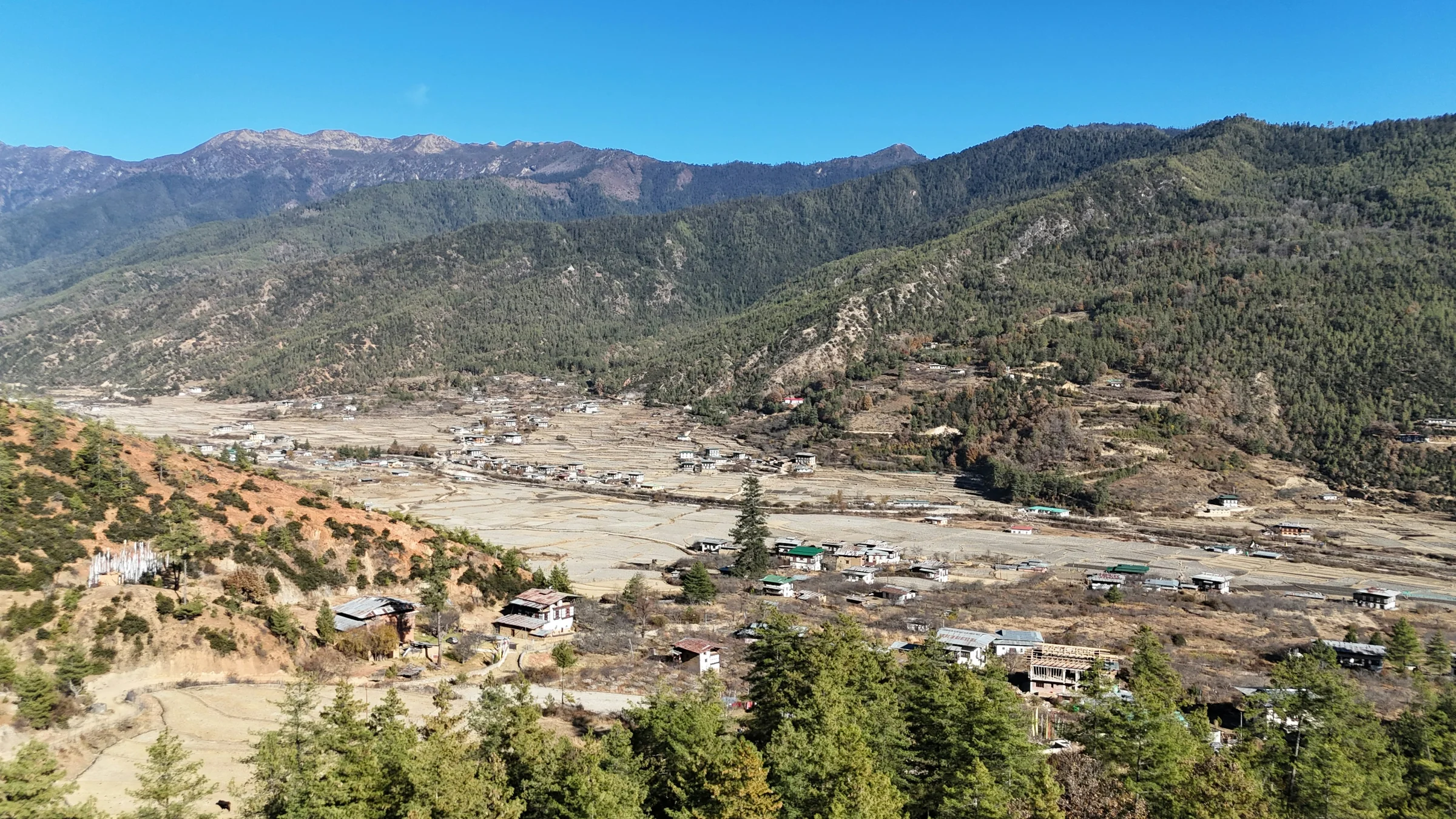
| Bhutan | 10–14 days | $200/night sustainable development fee enforces slowness at the policy level. |
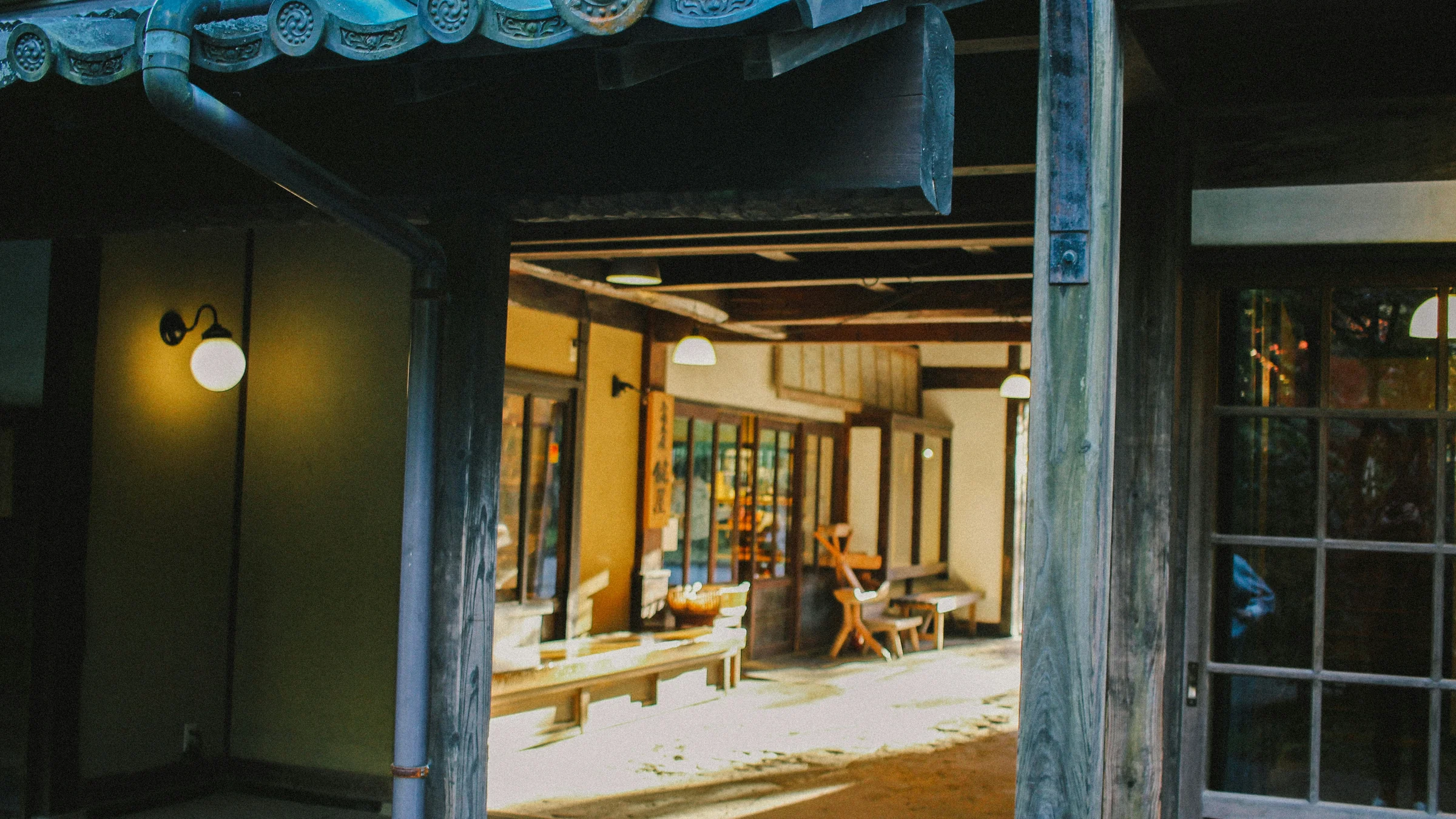
| Setouchi, Japan | 7 days | Inland sea; Tadao Ando architecture; quiet that you have to earn. |
| Patagonia, Chile | 7+ days | The horizon is the whole point. Stargazing as discipline. |
| Amalfi Coast (off Positano) | 7 days | Stay in Praiano or Ravello, day-trip to Positano. Lemon coast slowness. |
| Marrakech, Morocco | 5 days | Riad living teaches the indoor courtyard logic — outside is loud, inside is composed. |
| Kanazawa, Japan | 3–4 days | The unrushed alternative to Kyoto. Read the dispatch. |
| Galápagos | 7 days | The wildlife forces presence. You can't multi-task an iguana. |
| Lofoten, Norway | 5 days | Light, weather, and the ethics of the rorbu (fisherman's hut). |
| Istria, Croatia | 7 days | Truffles, slow food culture, the Mediterranean before the crowds re-found it. |
| Big Sur, California | 4 days | Cell service is genuinely thin. Highway 1 is the meditation. |
How Trepic fits in
Trepic is built for exactly this kind of trip. The platform pairs creator-written editorial dispatches — long-form, story-first writing about real places — with bookable hotel partners that earn their inclusion. Travelers read the story, book the stays inside it. Creators earn up to 20% commission on what they drove. Hotels pay for honest, conversion-driven storytelling instead of impressions.
If you're a traveler, the entry point is Trepic for Travelers or the editorial dispatches on Trepic Stories. Two of the dispatches that map directly to this guide: the Setouchi hotel essay and the Patagonia stargazing field guide.
If you're a creator who writes mindfully and would rather earn 20% on bookings than $50 from an Instagram brand deal, see How to Monetize Travel Content in 2026 and Trepic for Creators.
Travel once, remember forever
Trepic's founding cohort is open to mindful travelers, creators, and boutique hotels. Reserve your place.
Join the Waitlist