
Seven days on the Lemon Coast, slowly.
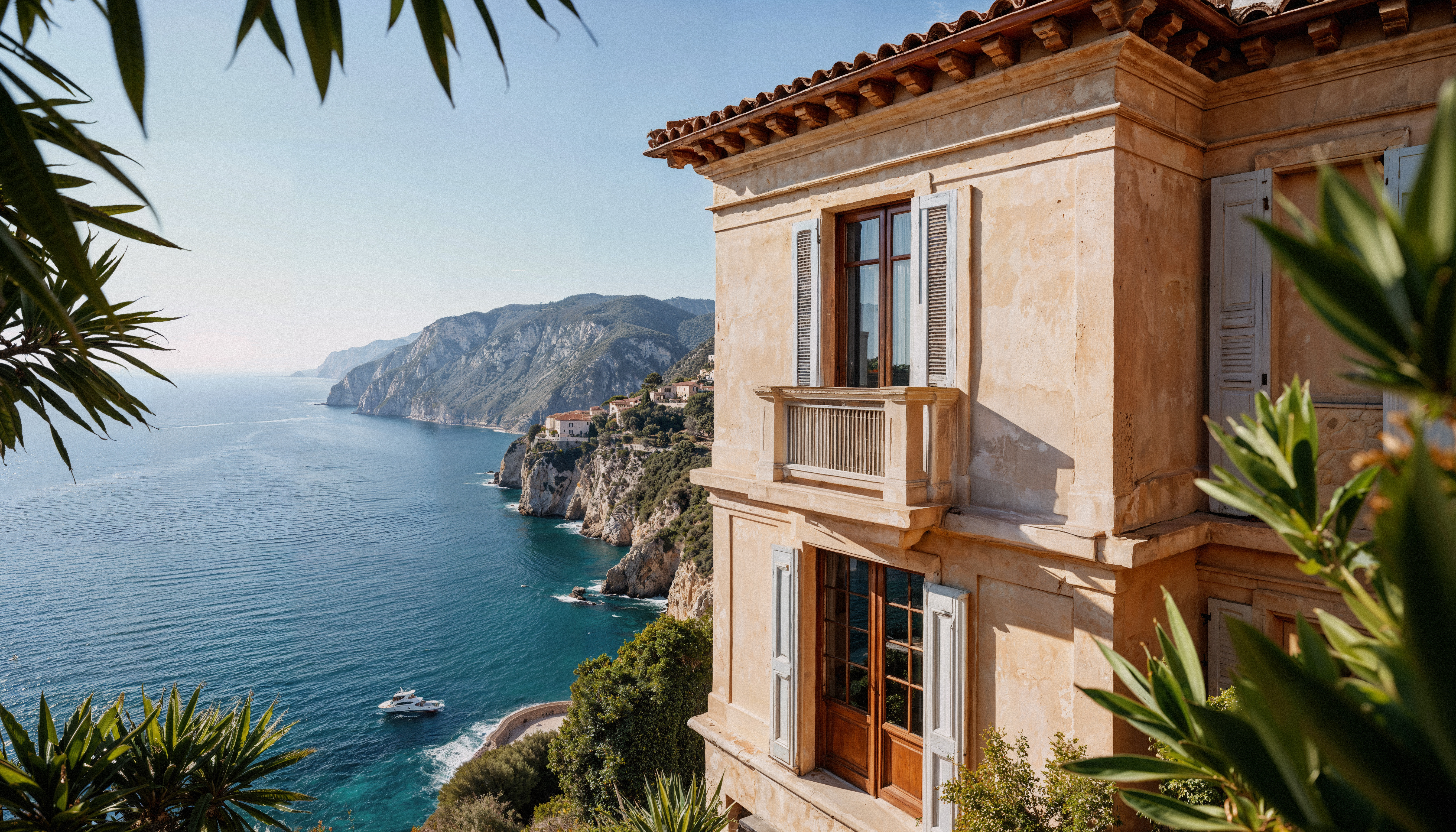
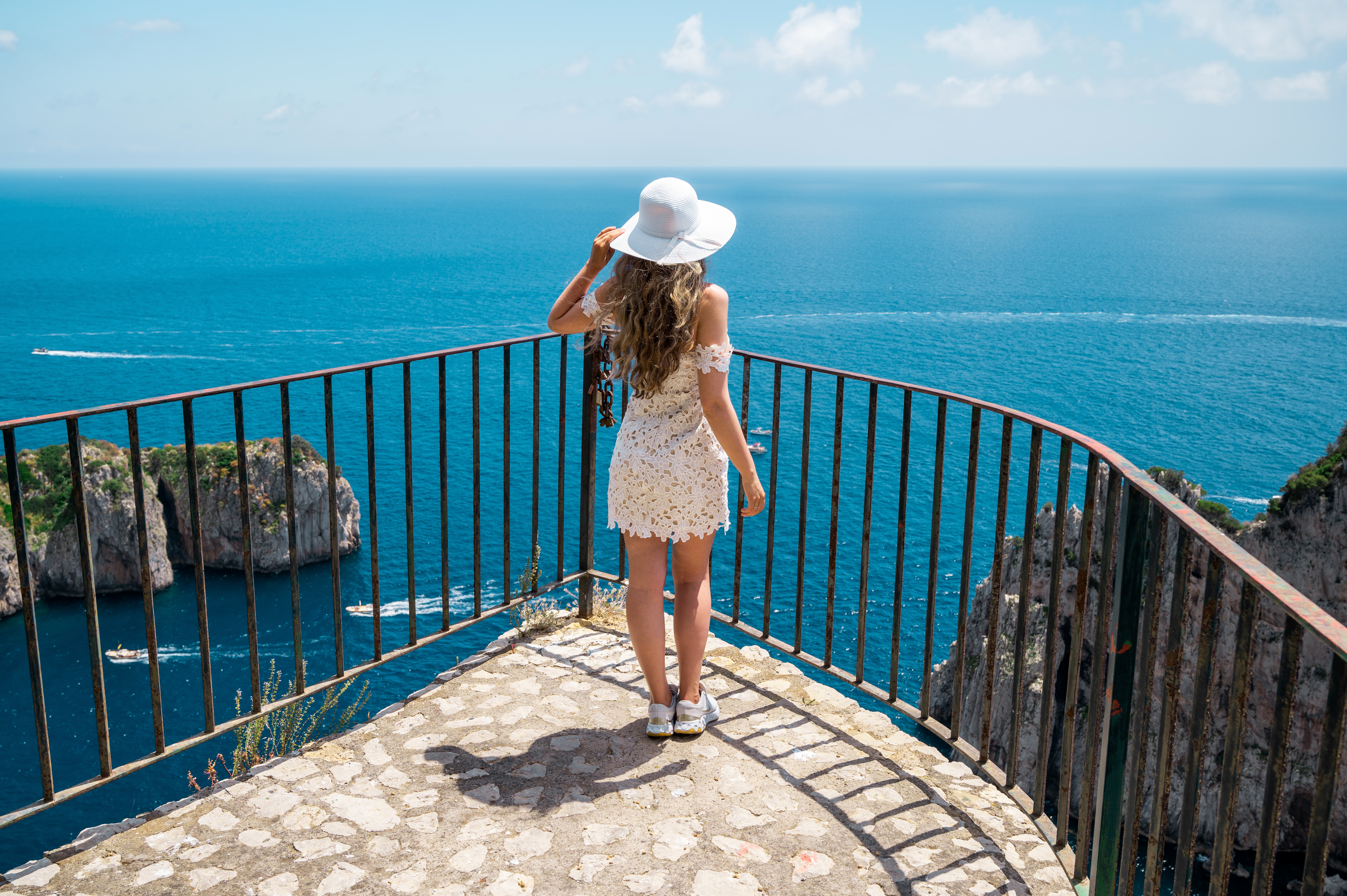
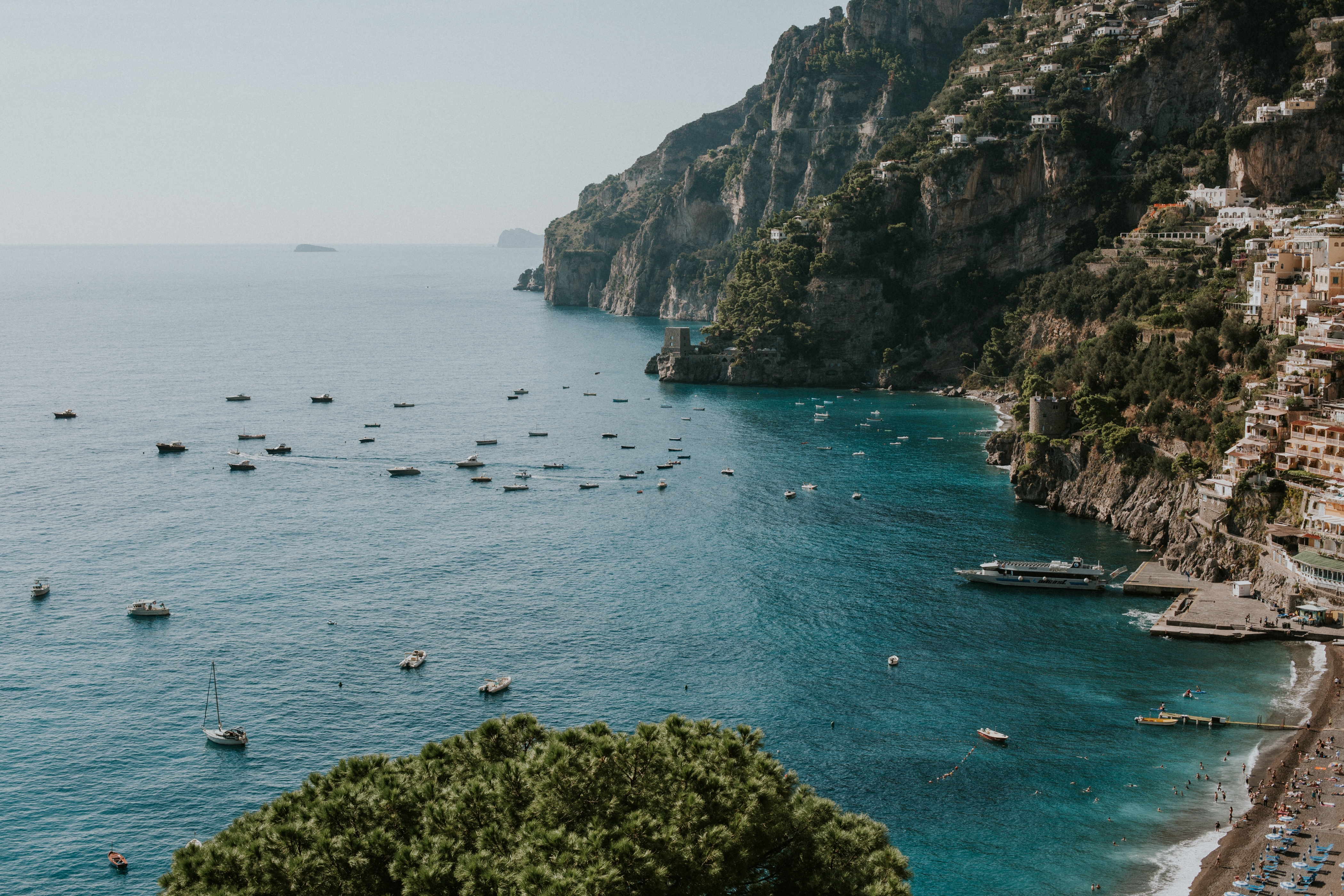
e arrived at Positano the way most people arrive at places they have only imagined — breathless, skeptical, and trying to reconcile the picture with the thing. The lanterns helped. So did the rain that began the second night and didn't stop until the fourth, slowing the entire town to a tempo I hadn't known a town could keep.
For a long time, travel had felt to me like a kind of consumption — itineraries to clear, stamps to collect, photographs to file in the order you took them. The Lemon Coast did not permit any of this. It was older than any of our schedules. It had outlived three empires, four economies, and the entirety of Instagram.
The driver who collected us from Naples did not speak. This was, I came to understand, less a matter of language than of weather: the road was tight enough that the conversation had to wait for the bus stops, and there were not many bus stops between Naples and the cliffs. He hummed something old by Modugno when the radio cut out near Vietri, and the rain, by then, was beginning.
What Trepic asked of me, I think, was to write the trip not as it happened but as it landed. The fourth evening, in Ravello, a waiter named Bruno poured us a wine he said would taste better tomorrow. He was right. The fifth morning, the rain stopped and a fisherman named Salvatore taught me the word for the silver light just after a storm — scilluccio, he called it, and made me say it three times.
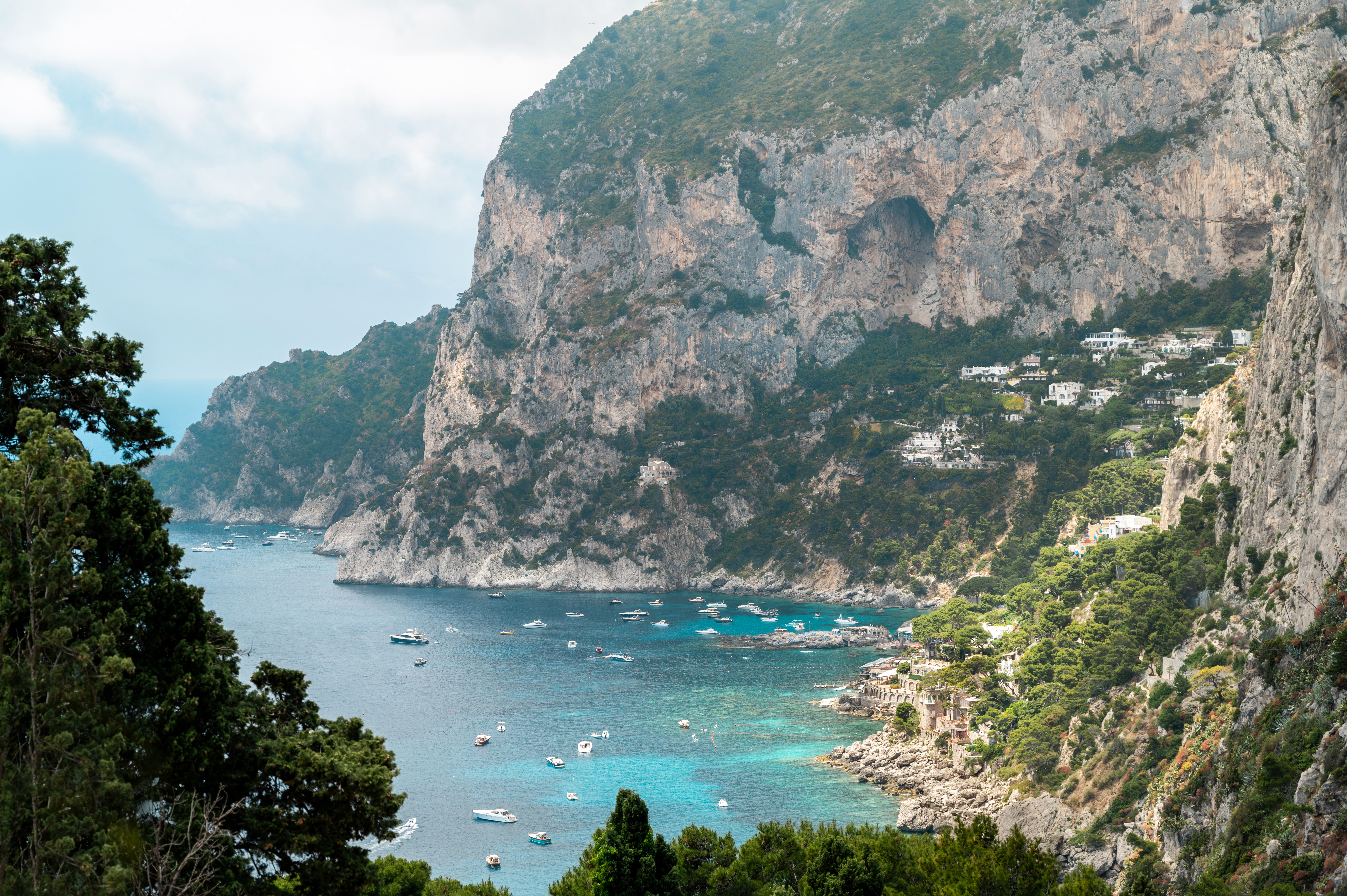
An hour after the storm, the sea turned the colour Salvatore named for me — scilluccio — silver, lit from below.
It is, at the bottom of every road, an argument with attention. The phone wants you somewhere else. The town wants you here.
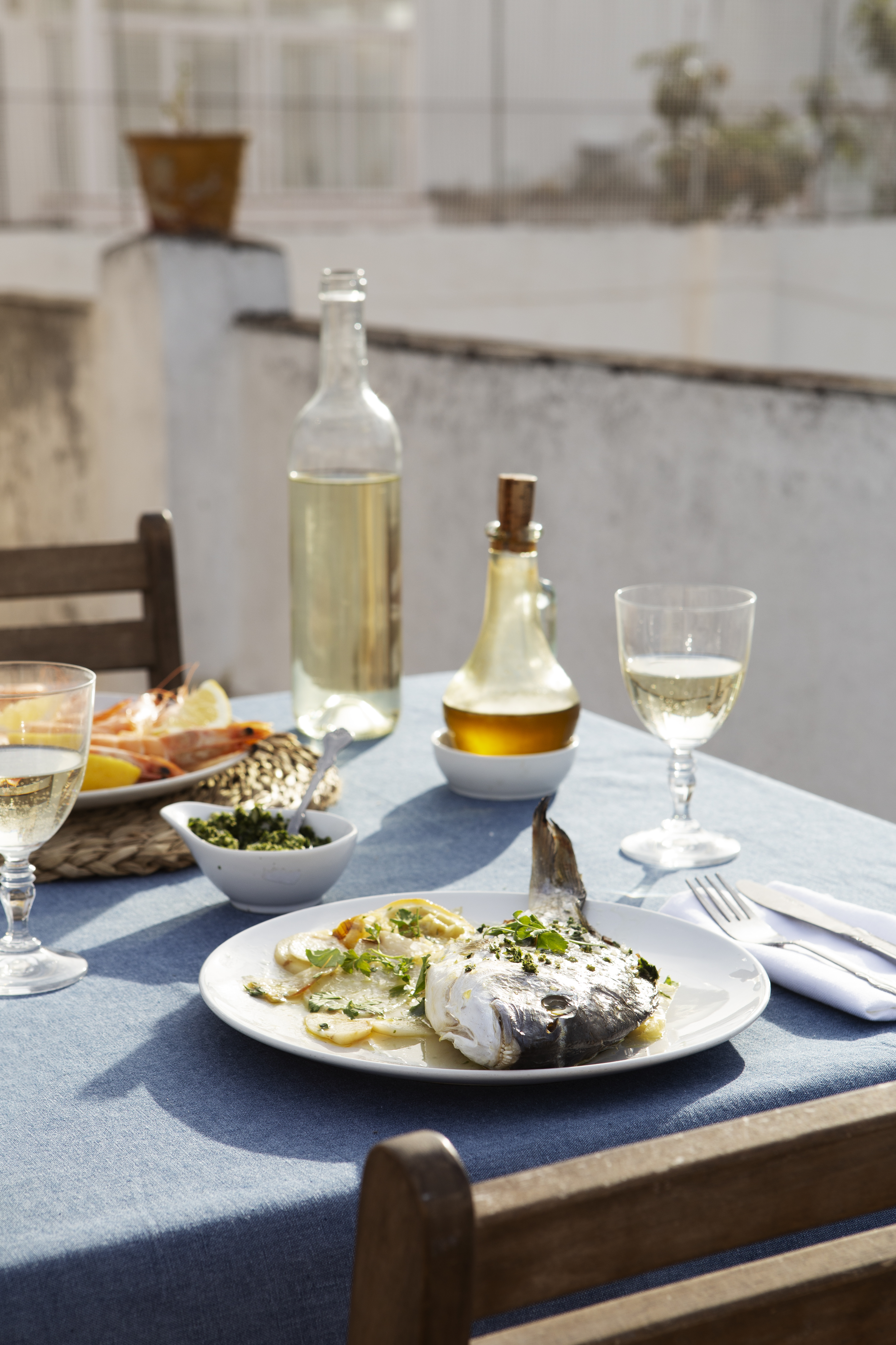
An hour before dinner — sea bass, lemon-dressed greens, and a glass of Greco from the cellar of a coastal hotel that keeps a small ledger for travellers who like to write.
On the practice of staying.
It took me three trips to learn that the days I remember most clearly are the ones where I went the fewest places. The instinct toward more, more, more — more towns, more pictures, more meals — is the instinct of a tourist; the instinct toward the same place at three different hours is something else entirely.
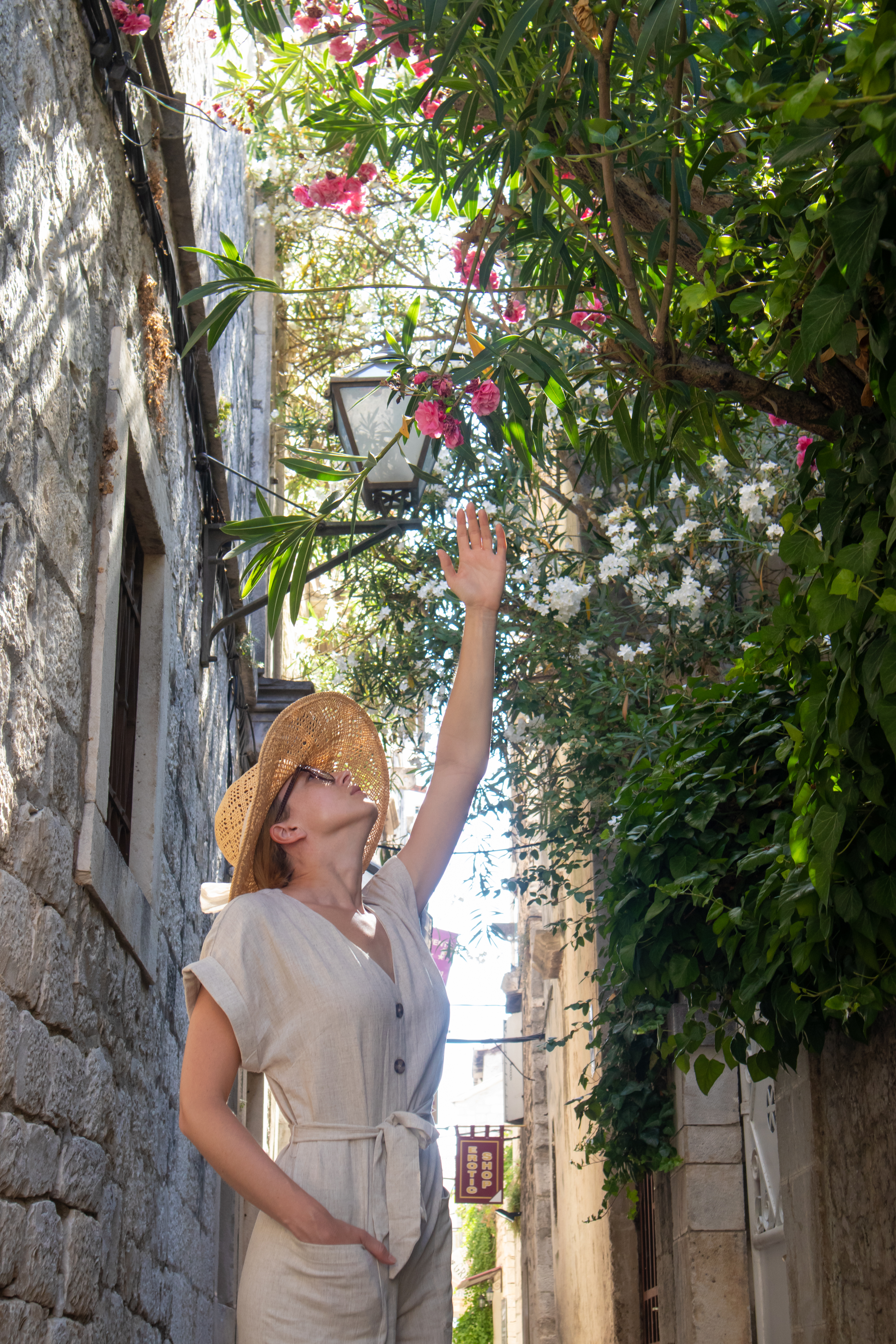
Behind the village, in a garden that opens at six. The lemon trees are improbably heavy; the fruit is not as yellow as the brochures suggest — it is gold, and rough, and falls quietly.
« Vieni adesso, che la luce sta per cambiare. »
Come now — the light is about to change.
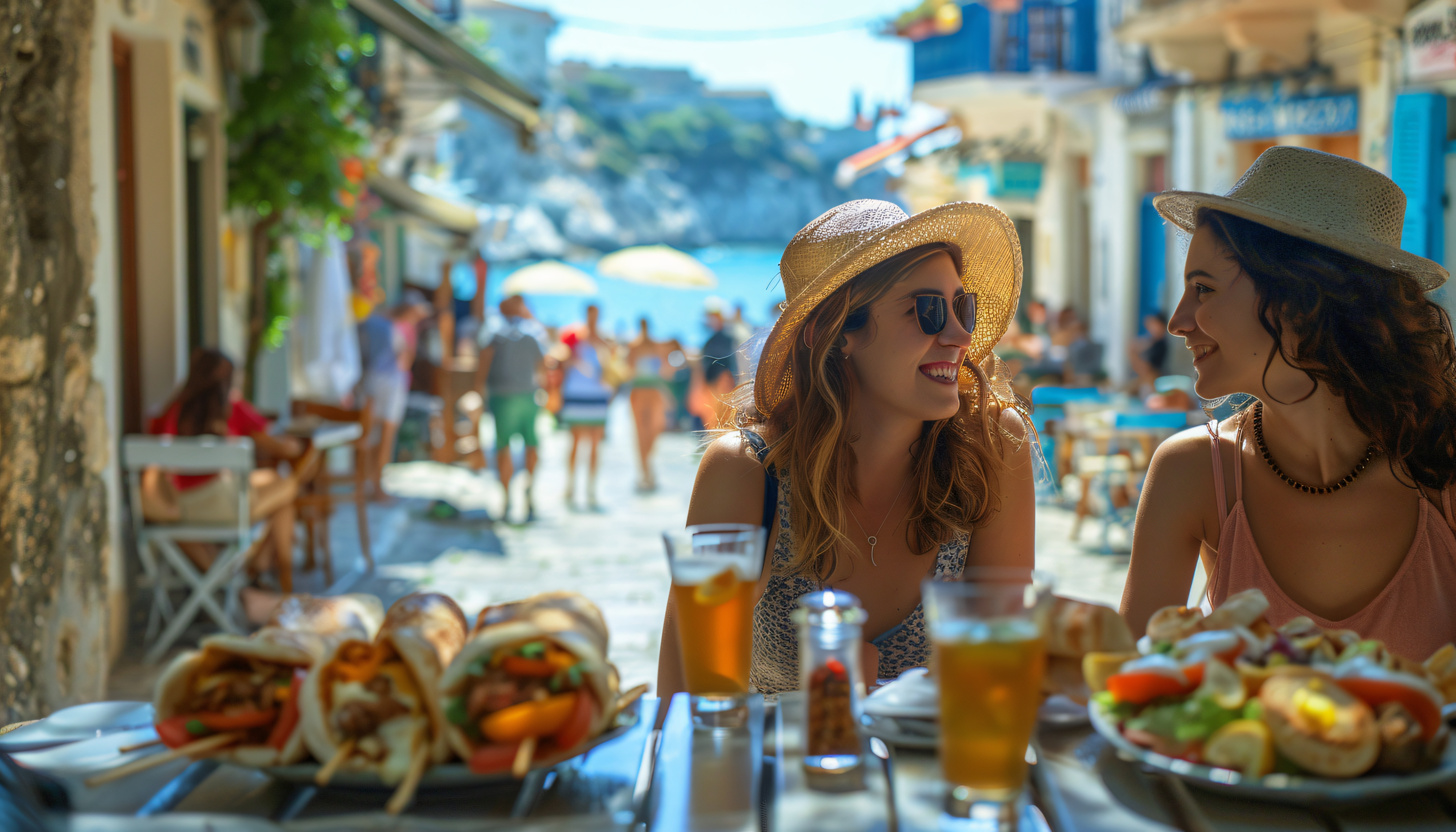
A small trattoria further down the cliff has a chalkboard in dialect; the dialect, like the town, is patient.
By the third morning, we had abandoned the itinerary. There was no list to consult, no map to please. We sat on the same bench at the same café and watched the sea do what the sea does in late spring — change its mind every hour about whether to be turquoise or charcoal — and the proprietor brought us coffee without our asking.
The proprietor's name was Anna. She had been making the same coffee, on the same machine, for thirty-one years. She did not believe in oat milk. She believed in salt air, and in the ritual of putting one cup down and picking the previous one up before the previous one had cooled. Doppio per due, she would announce — a double for two — even when there were three of us.
I had brought three books and read none of them. I had loaded a Trepic itinerary the agency back home had built for me — six hotels, three restaurants per day, a private boat to a cave with a name I could not pronounce — and I deleted it on the second night. The cave is famous and probably wonderful. I will see it some other time. The lemon trees, that week, were enough.
What I had not understood until then is that places like Positano are designed not to be efficient. The white houses climb the cliff at angles that would make a city planner weep. The streets give up halfway down, become stairs, and stay stairs for twenty minutes. The town does not want you to be quick. The town has been here longer than your hurry.
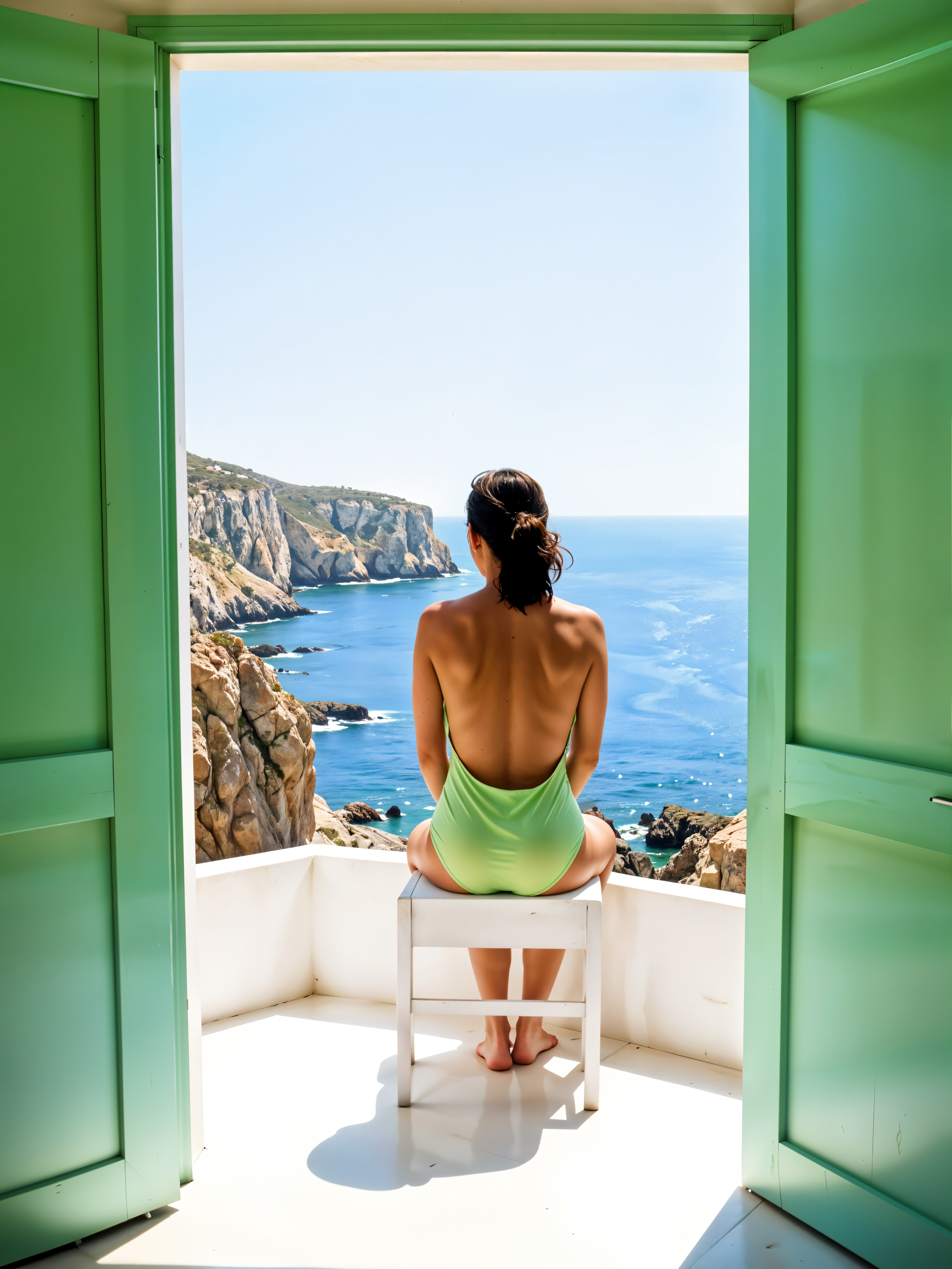
We left on a Sunday, which I would not recommend. The buses run on a schedule that is more aspirational than fixed, and the buses are smaller than the suitcases we had foolishly brought, and the road back to Naples is the same road as the road there, only rougher in the going-up than in the coming-down. We left, in any case, on a Sunday — and the Lemon Coast, which had refused to let us hurry on the way in, was suddenly, briefly, in a very polite hurry to be rid of us.
I think this is the bargain. A place that asks you to slow down does not, in turn, owe you a graceful exit. The exit is yours; the slowness was the gift.
On the train back to Rome, my notebook was nearly full. Most of it was lists — names of dishes, prices of espressos, the address of a shop in Praiano where a woman named Maria still embroiders linen by hand and accepts cash only in a small woven basket on her counter. None of it was useful in the way an itinerary is useful; all of it, I think, will be useful in the way a memory becomes useful, which is to say slowly, much later, when you need it.
Three weeks after we got home, I tried to make Anna's coffee. I have the right beans. I have the right machine. I will never have the salt air, and I will never have Anna, and that, in the end, is the point of going.
A short note on logistics, because Trepic Stories is, finally, a publication that wants you to actually go.
- When to come. Late April through the first week of June, or the last two weeks of September. Avoid August unless you enjoy queuing.
- Where to base. Positano if you want the postcard. Ravello if you want the silence. Praiano if you want the locals to greet you on the second day.
- How to move. One private boat day, one bus day, one day where you do not move at all.
- What to read in advance. Anything by Anna Maria Ortese. Especially Il mare non bagna Napoli.
- What to leave at home. The itinerary. Most of your shoes. The phone, on the days you can.